Start the Year with Impact
Help support Landback for yak tityu tityu yak tiłhini in their homelands.
Who we are
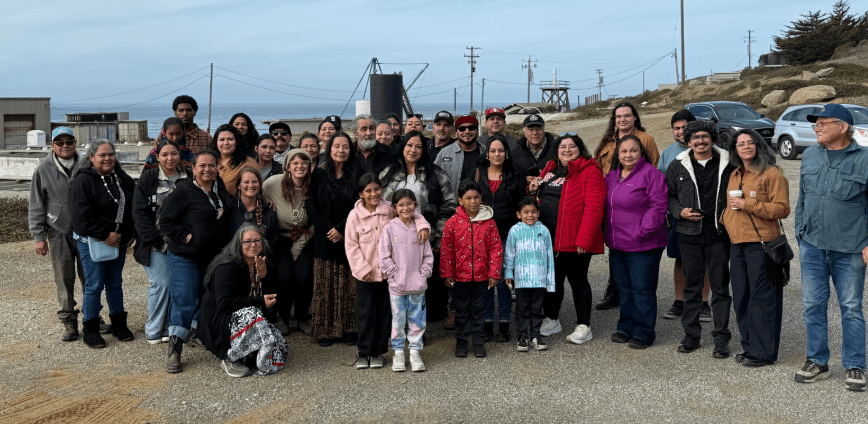
We are yak tityu tityu yak tiłhini: the documented descendant Indigenous Tribe of San Luis Obispo, California. Our membership is comprised of families whose ancestry dates back to this one region for well over 10,000 years. We represent an unbroken chain of lineage, kinship, and culture. Many of our families have never lived anywhere else. Our ongoing work towards Tribal preservation is to protect and promote our unique culture, elegant language, remarkable resources, and timeless traditional ways. yak tityu tityu yak tiłhini translates to “the people of the full moon”, which more generally refers to the abundance and fullness of life located on the land now called San Luis Obispo.
Why Your Support Matters
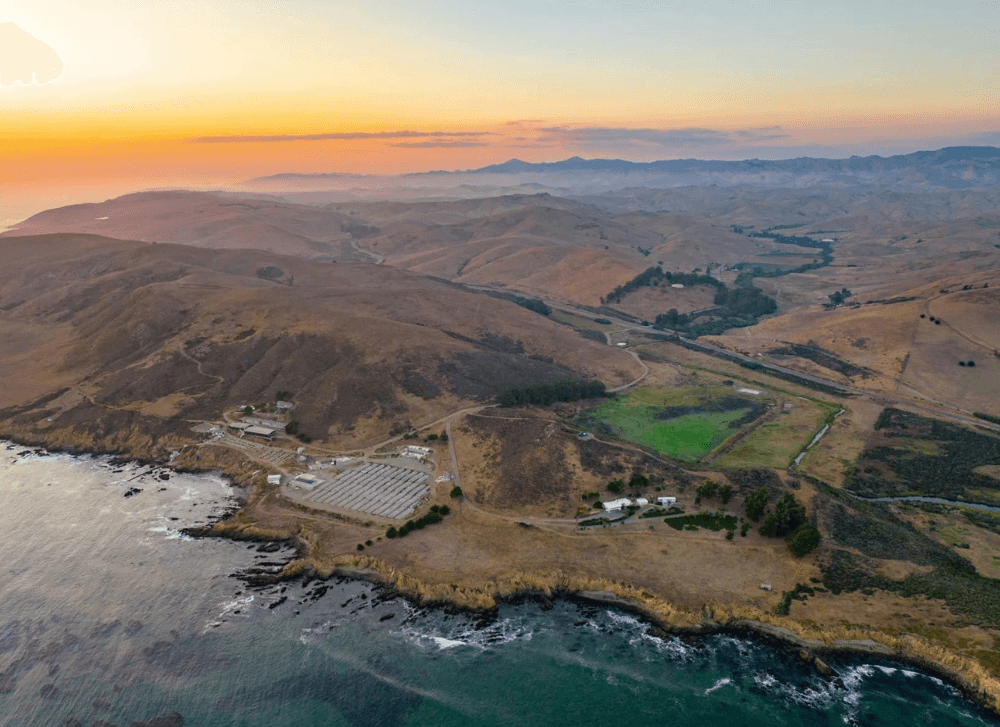
ytt Tribe’s nonprofit, ytt Northern Chumash Nonprofit, is currently in escrow with the owners of Alexander Ranch - the well known and loved abalone farm north of Cayucos - through October of 2026 and are seeking the funds to purchase this land. In addition to regaining a small piece of unceded tribal territory, project plans include: revitalizing the aquaculture facility, restoring the riparian habitats, rewilding ocean species and bolstering native plants of cultural significance.
The History of "The Old Abalone Farm"
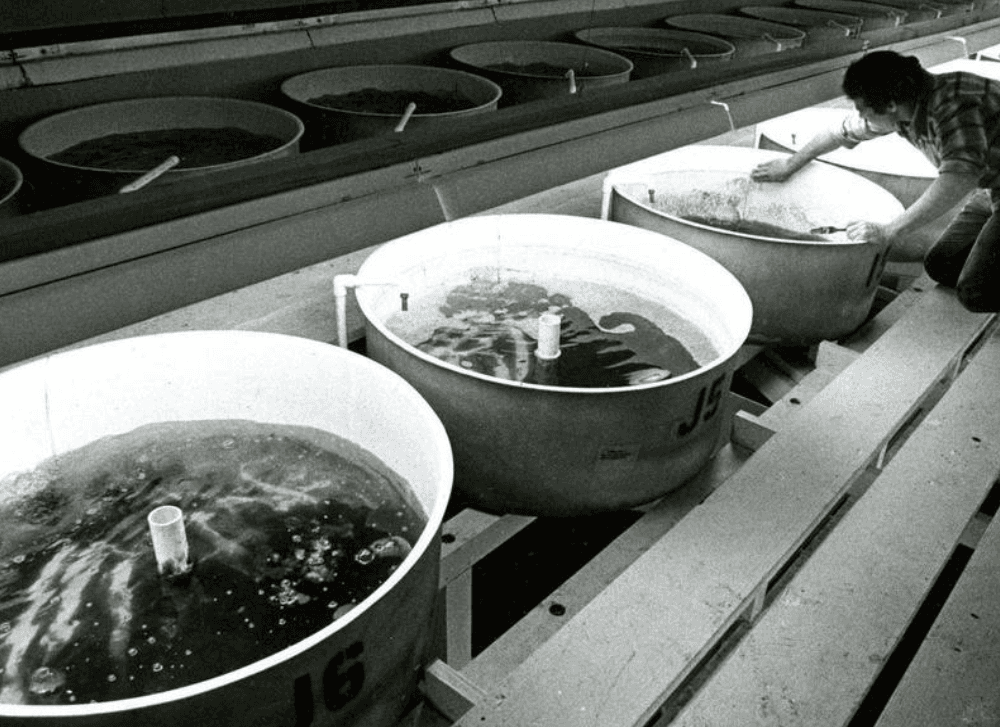
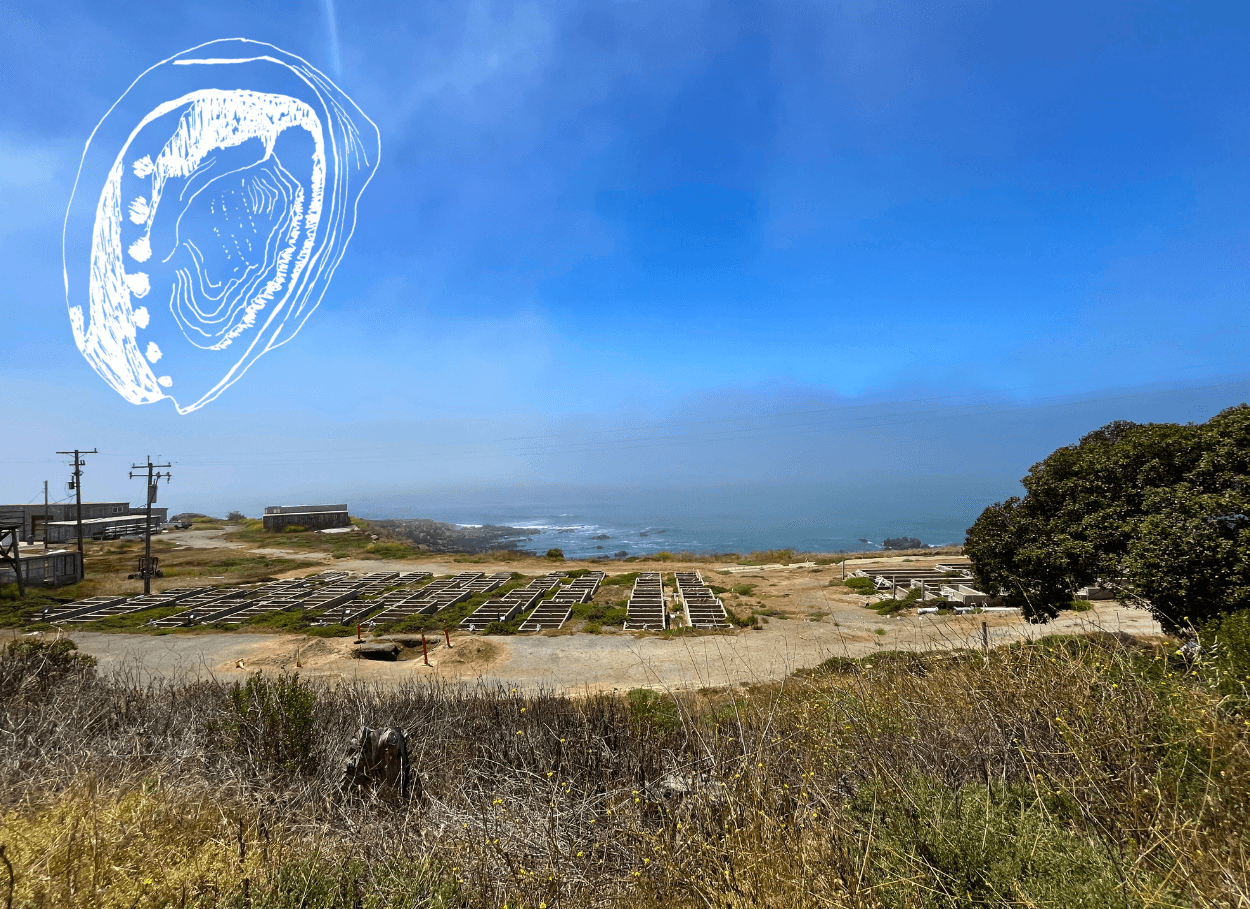
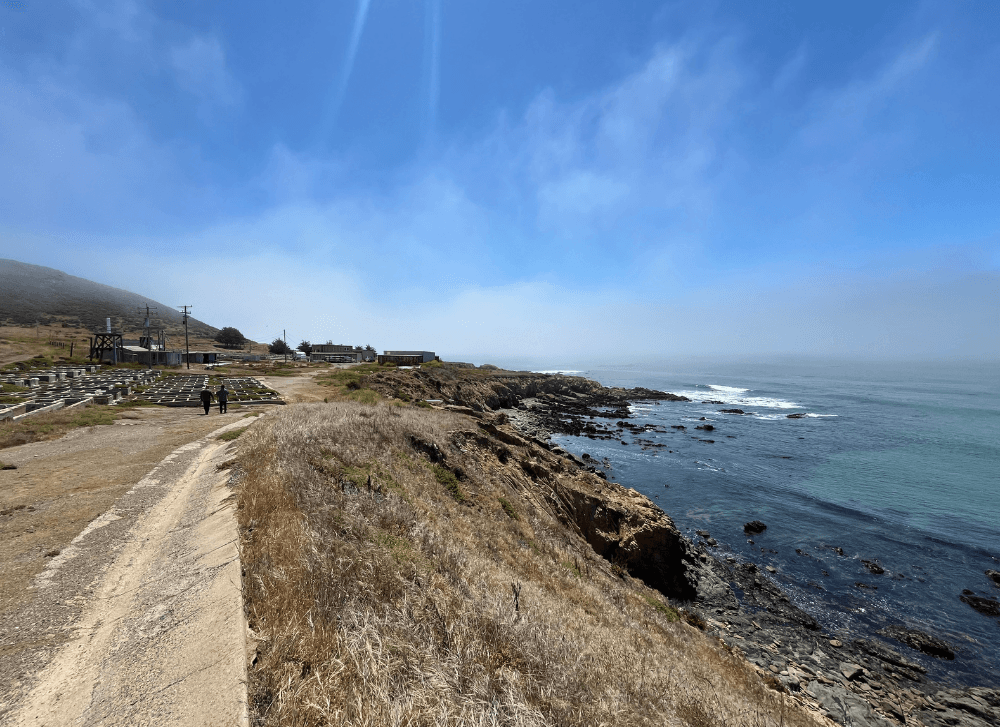
Alexander Ranch Has a rich history on the Central Coast. Constructed in the early 60s, this was the space of a robust, large scale abalone farming operation. At it's peak, Alexander Ranch was the largest producer of Abalone in the United States. Started by John Alexander, a concrete mogul, this farm is situated on 350 acres, with the aquaculture facility comprising 19 of those acres.
In addition to the aquaculture facility there is a unique seawater intake pipe, one of the last permitted of it's kind and designed for mollusk farming on a large scale. However, since closing in 2020 the concrete tanks need repair and restoring to a more modern status.
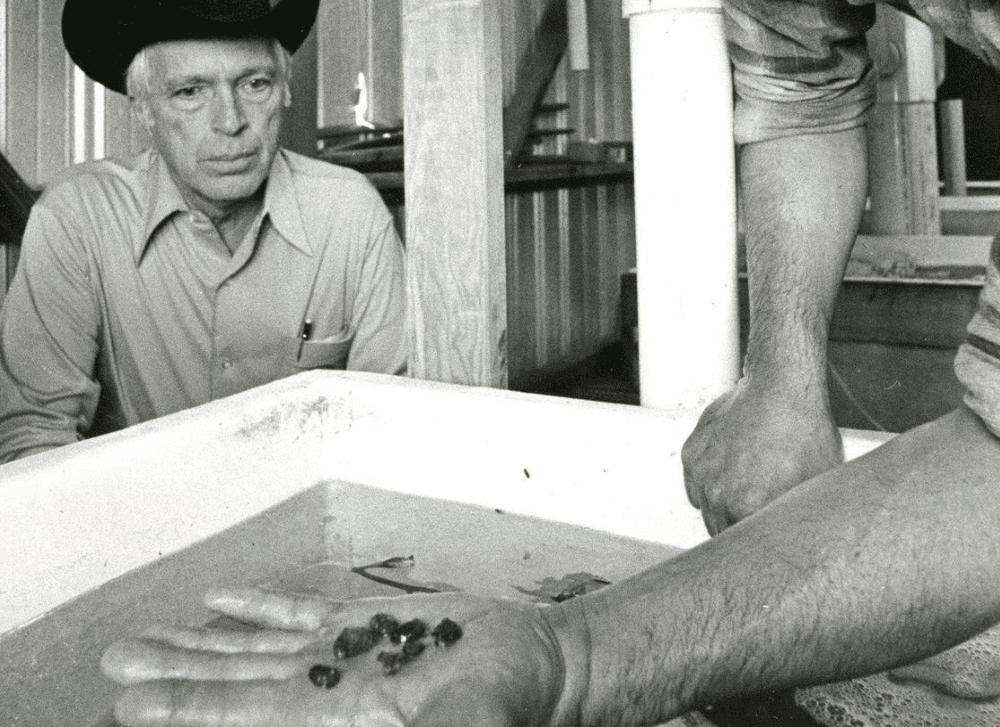
John Alexander, 1978
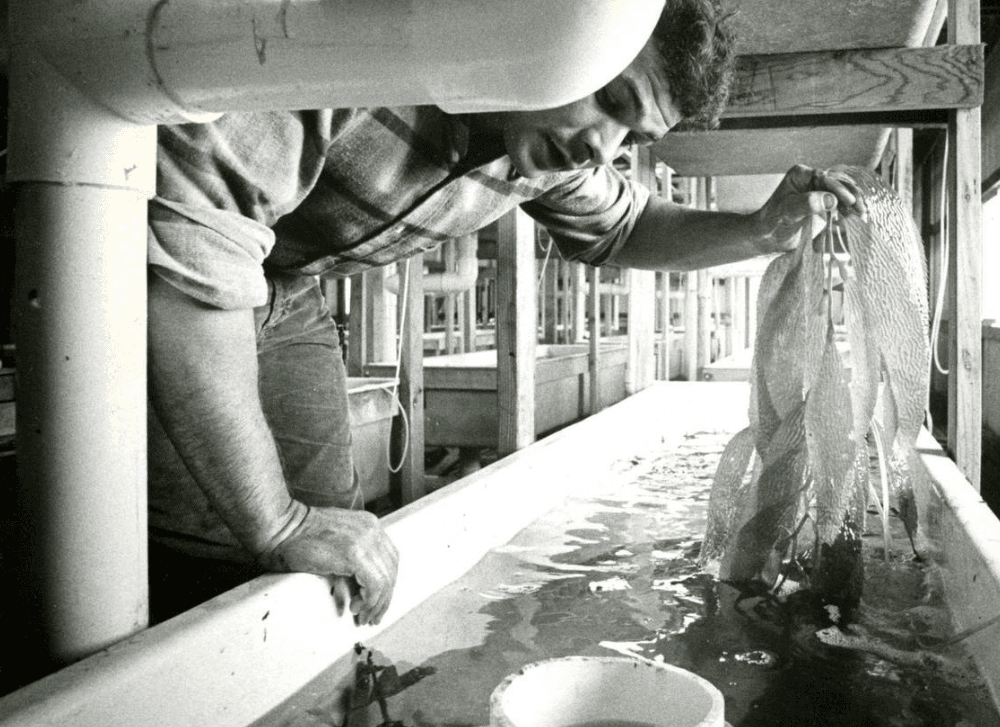
Frank Oakes, 1978
Project Plans
When acquired, ytt Northern Chumash Tribe plans to establish yatspansini wayaktspu Conservancy, an initiative to implement tribal land and ocean stewardship practices that prioritize cultural fire, species rewilding, riparian restoration, and native plant cultivation. This includes:
• Revitalize cultivation of abalone, kelp, and seaweed
• Develop a tribally managed aquaculture system to support statewide abalone conservation projects
• Train Tribal members in restoration and climate resilience
• Create culturally grounded restoration protocols
• Restore estuarine and riparian habitats in the Villa Creek watershed
• Support blue carbon capture and biodiversity
What is Landback?
The Landback movement is an effort led by Native peoples and supported by their allies to reclaim control over ancestral lands that were historically taken from them. This includes physical land acquisition, but also restoring Native sovereignty, self-determination, and cultural connection to the land.
Landback doesn’t mean displacing people. Landback honors Native sovereignty and supports environmental goals that benefit entire communities: cleaner water, healthier ecosystems, and shared stewardship.
Landback benefits the community at large. Studies have shown Indigenous forests and land have remarkable restoration capabilities, absorbing more carbon and providing restoration for endangered species and habitats. California was stewarded and managed by Native peoples for centuries and generations. Supporting Landback means supporting proven models of care for the land, water, and future generations. Everyone gains when the original caretakers are restored to the land.
Much like the ocean’s ecosystem, each donor plays a vital role in the growth and support of the project.
Acquisition of the Alexander Ranch provides the first significant opportunity in generations to reestablish ytt Tribe’s relationship with its coastal homelands and sustain long-term, tribally governed restoration and agricultural practices.
Will you support tribal sovereignty on the Central Coast?